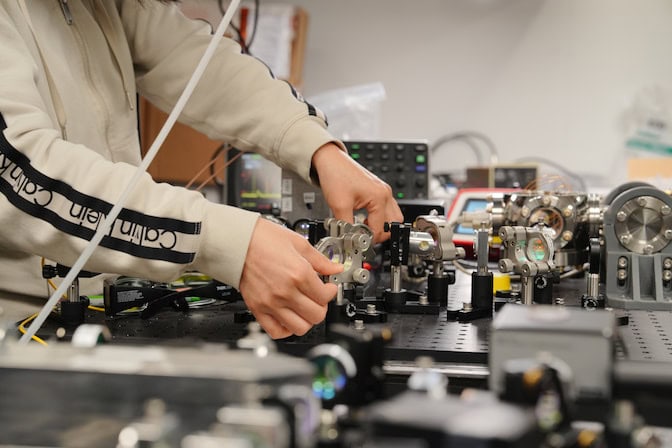
Technologies for a U.S. manufacturing renaissance: A Q&A with Jeff Abell
The former chief scientist of manufacturing at GM discusses AI, additive manufacturing, quantum computing and the role of universities.

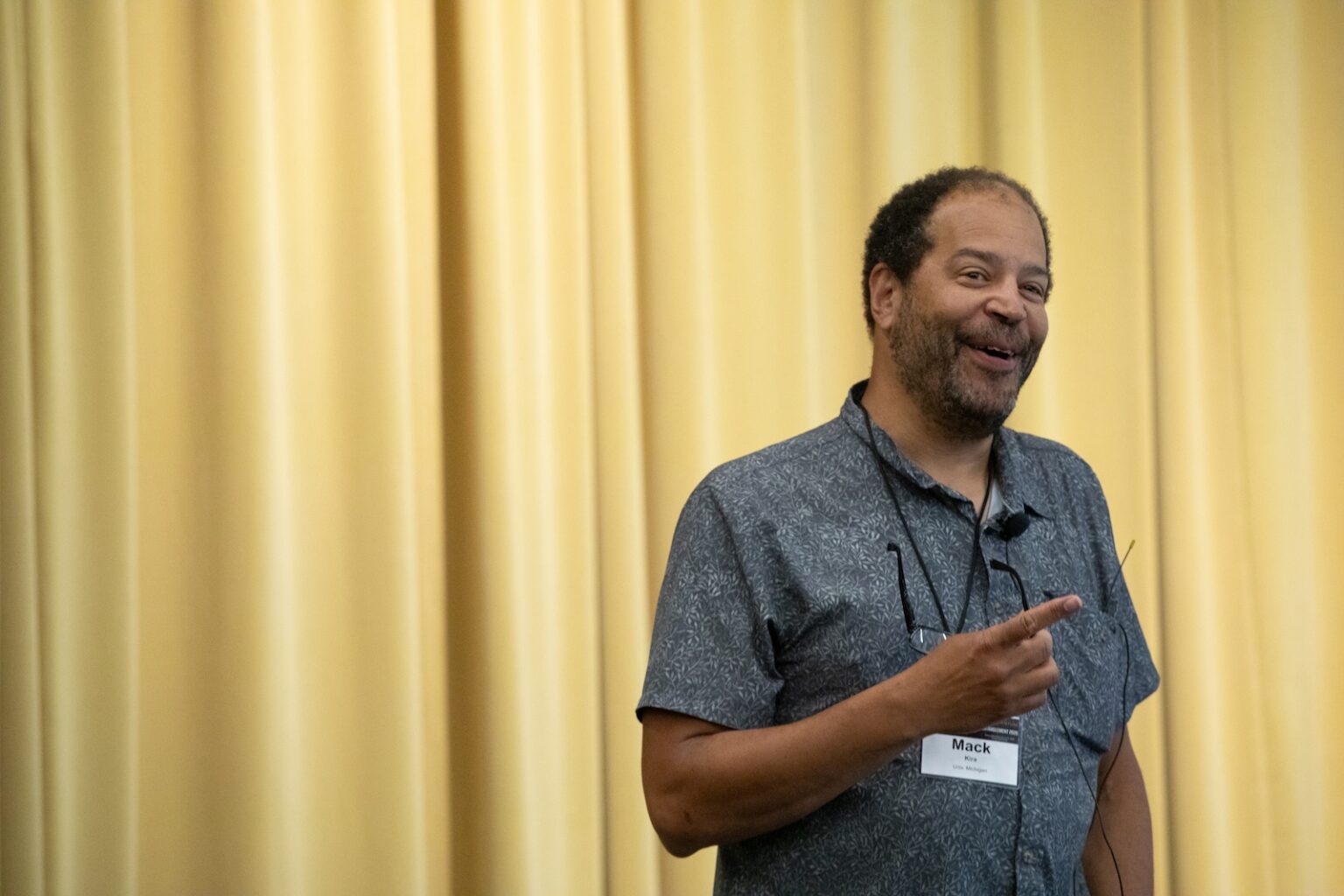
Midwest Quantum Collaboratory welcomes five new member universities, holds annual meeting
The MQC now includes eight universities, bringing together over 300 participants for the Entanglement 2026 meeting.
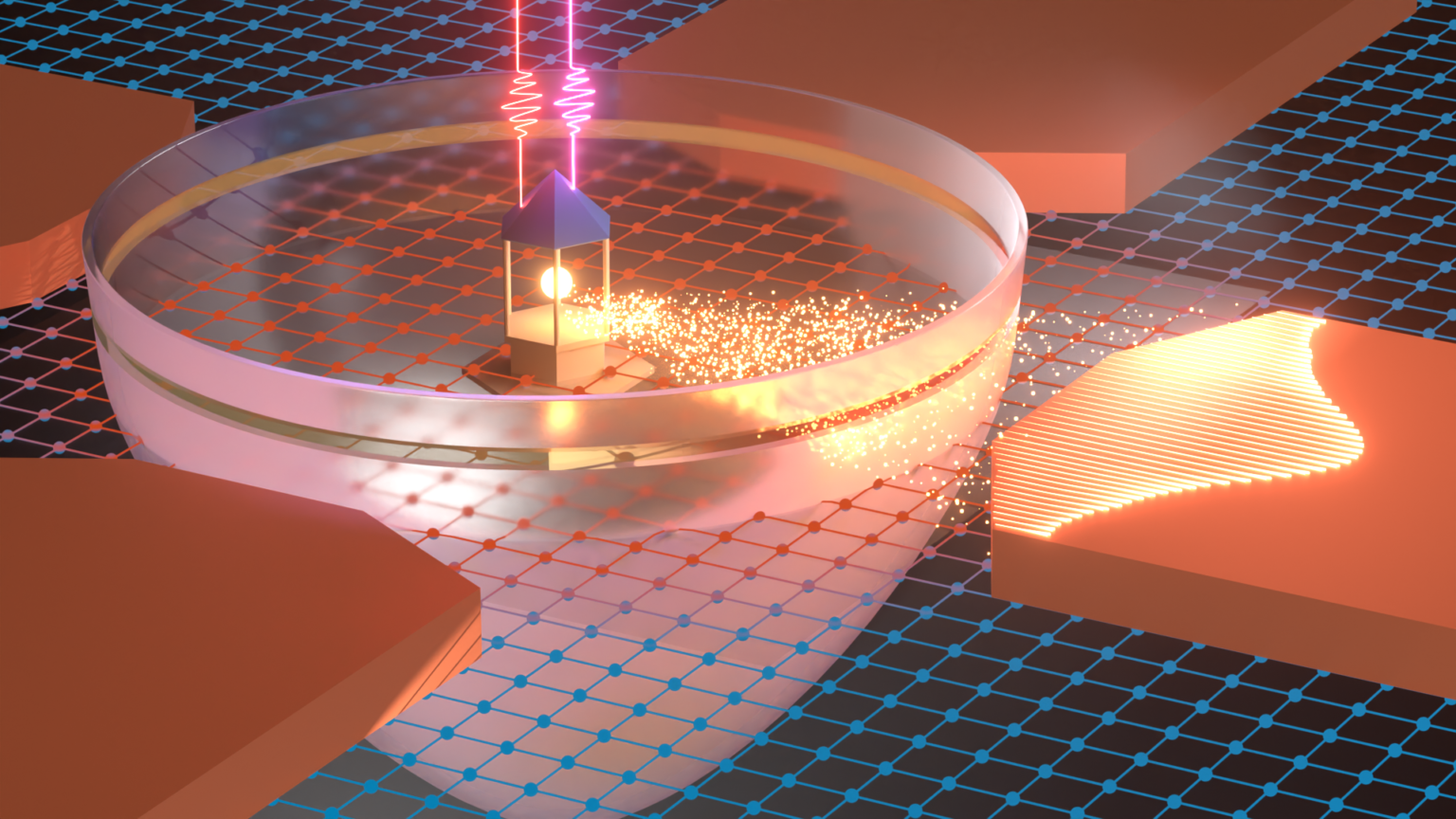
‘Electron lighthouse’ illuminates new physics
And, potentially, a new path to advanced devices for sensing, telecommunications and more
QRI Joins the Quantum Economic Development Consortium (QED-C)
QRI is proud to join the Quantum Economic Development
Consortium (QED-C), reinforcing its role in building the U.S.
quantum ecosystem by fostering partnerships that accelerate
research, innovation, technology transfer, and workforce
development.
Quantum made practical: U-M-led team advances in NSF center competition
The project aims to develop plug‑and‑play photonic chips that bring quantum‑light measurements out of the lab into field‑ready commercial devices.
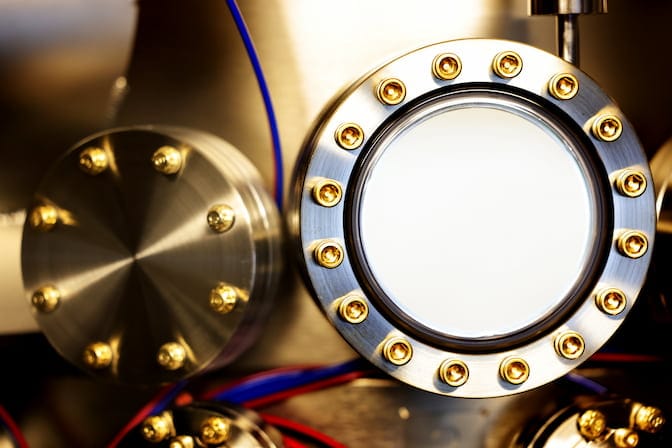
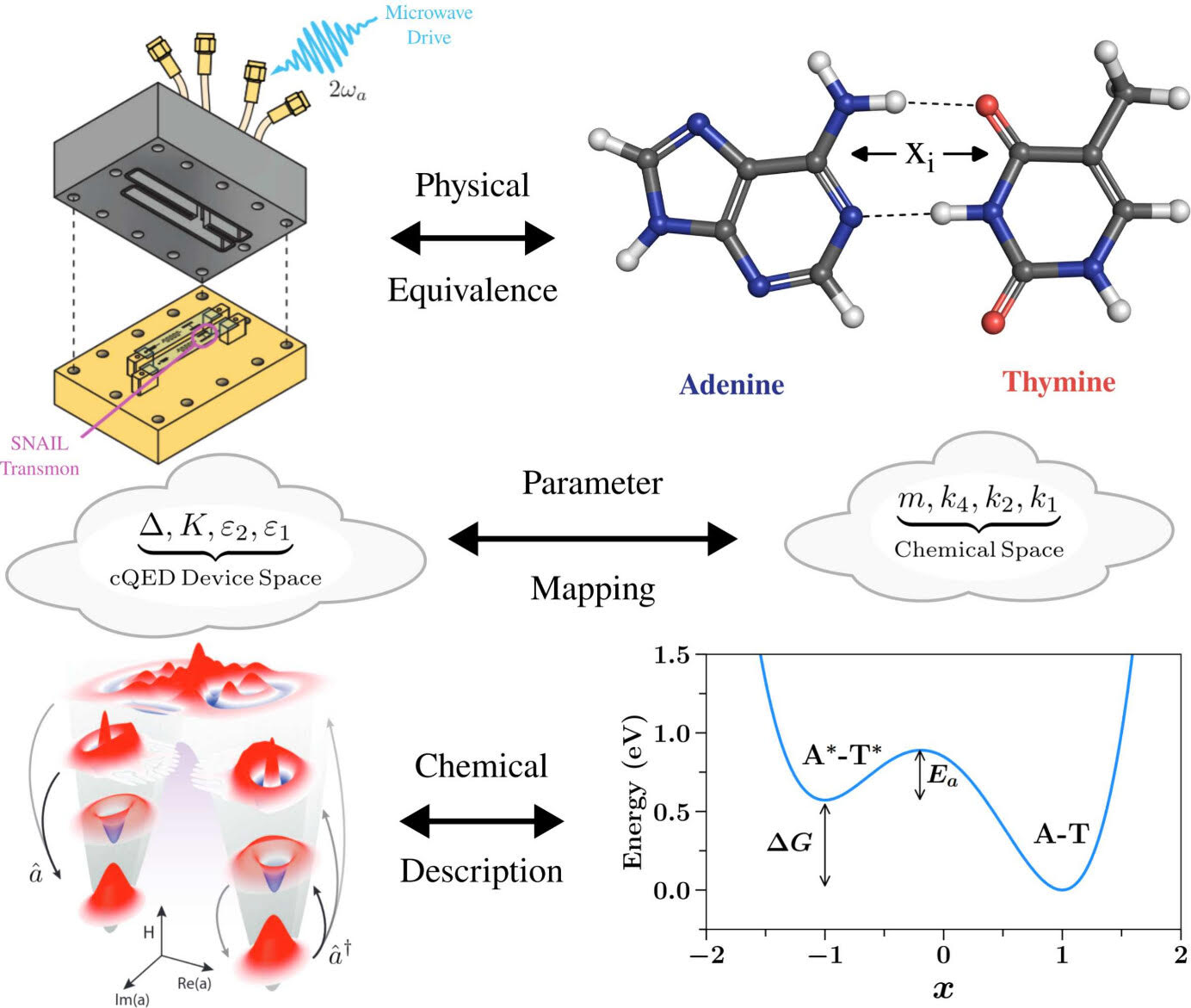
New Quantum Device Models Chemical Quantum Dynamics
“Chemistry is the science of change, and chemical change often involves quantum dynamics. Chemists have been developing quantum rate theories for over a century but …
Quantum Research Institute’s Zheshen Zhang Leads $9 million project funded by the U.S. Office of Naval Research
“Over the past few years, we discovered that entanglement can allow you to improve the performance of a sensor network in terms of the resolution — so you can actually detect finer details and take measurements faster than a conventional sensor network, with more sensitivity or higher signal-to-noise ratio. We want to put these technologies in the broader context of designing the next generation of quantum technologies — using quantum computing and networking resources to boost the performance of such devices.”
QRI Fellow Hui Deng awarded seed funding for AI-Driven Efficient Photonic Manufacturing under Uncertainty
Bold Challenges has awarded seed funding to 14 University of Michigan faculty teams to support projects that explore the intersection of AI and manufacturing.

$9M MURI explores the fundamental limits of distributed entangled quantum sensing
A new, multi-institution project led by ECE Prof. Zheshen Zhang aims to develop systems that reap the full benefit of quantum networks.

U-M quantum testbed enables remote experiments
The optical fibers connecting two quantum research labs at the University of Michigan mark the first piece of a local quantum network and remote user test facility.